The longevity market offers a long menu at wildly varying prices, and the evidence behind each option varies just as much.
This guide sorts the main categories by how well they are supported, what they realistically achieve, and where your money produces the most benefit.
Table of Contents
- Start With the Foundation
- The Evidence Tiers
- Hormone Optimization
- Peptide Therapy
- IV and Nutrient Therapy
- Regenerative Treatments
- Aesthetic Treatments
- Testing Worth Doing
- Building a Sensible Plan
- Conclusion
- FAQs
Start With the Foundation
This section is not filler. It is the part with the strongest evidence in the entire article.
Interventions with the best support for healthspan:
- Not smoking. The single highest-impact change available.
- Regular exercise, including both cardiovascular work and resistance training.
- Adequate sleep, 7 to 9 hours, with sleep apnea diagnosed and treated.
- Maintaining a healthy body composition, particularly limiting visceral fat.
- Blood pressure control.
- Blood sugar management.
- Whole-food dietary pattern with adequate protein.
- Limited alcohol.
- Maintaining social connection and cognitive engagement.
- Age-appropriate preventive screening, including cancer screening.
Why this matters for your budget: No treatment on the menu below outperforms these. A patient spending thousands on infusions while sleeping five hours a night and skipping colonoscopies has their priorities reversed.
The Evidence Tiers
A useful way to think about the whole category.
| Tier | Description | Examples |
|---|---|---|
| Strong evidence | Large trials, clear outcomes | Exercise, blood pressure control, smoking cessation, screening |
| Good evidence for specific uses | Established for defined indications | Hormone therapy for diagnosed deficiency, correcting nutrient deficiencies |
| Moderate or emerging | Reasonable data, gaps remain | Some aesthetic treatments, PRP for specific uses |
The practical rule: Spend from the top of this table down, not the reverse.
Hormone Optimization
What it addresses: Symptoms from genuinely low hormone levels, including fatigue, low libido, mood changes, and body composition shifts.
Evidence level: Good when treating diagnosed deficiency. Weak when treating people with normal levels.
What it can reasonably do:
- Improve symptoms caused by confirmed deficiency
- Support bone density
- Improve body composition alongside training
- Improve quality of life in appropriate candidates
What it cannot do:
- Extend lifespan, which has not been demonstrated
- Benefit people whose levels are already normal
- Replace exercise and sleep
Requirements for doing it well: comprehensive baseline testing, investigation of non-hormonal causes, ongoing lab monitoring, and a physician who will decline to treat when treatment is not indicated.
Cost consideration: Moderate and ongoing. Rarely covered by insurance.
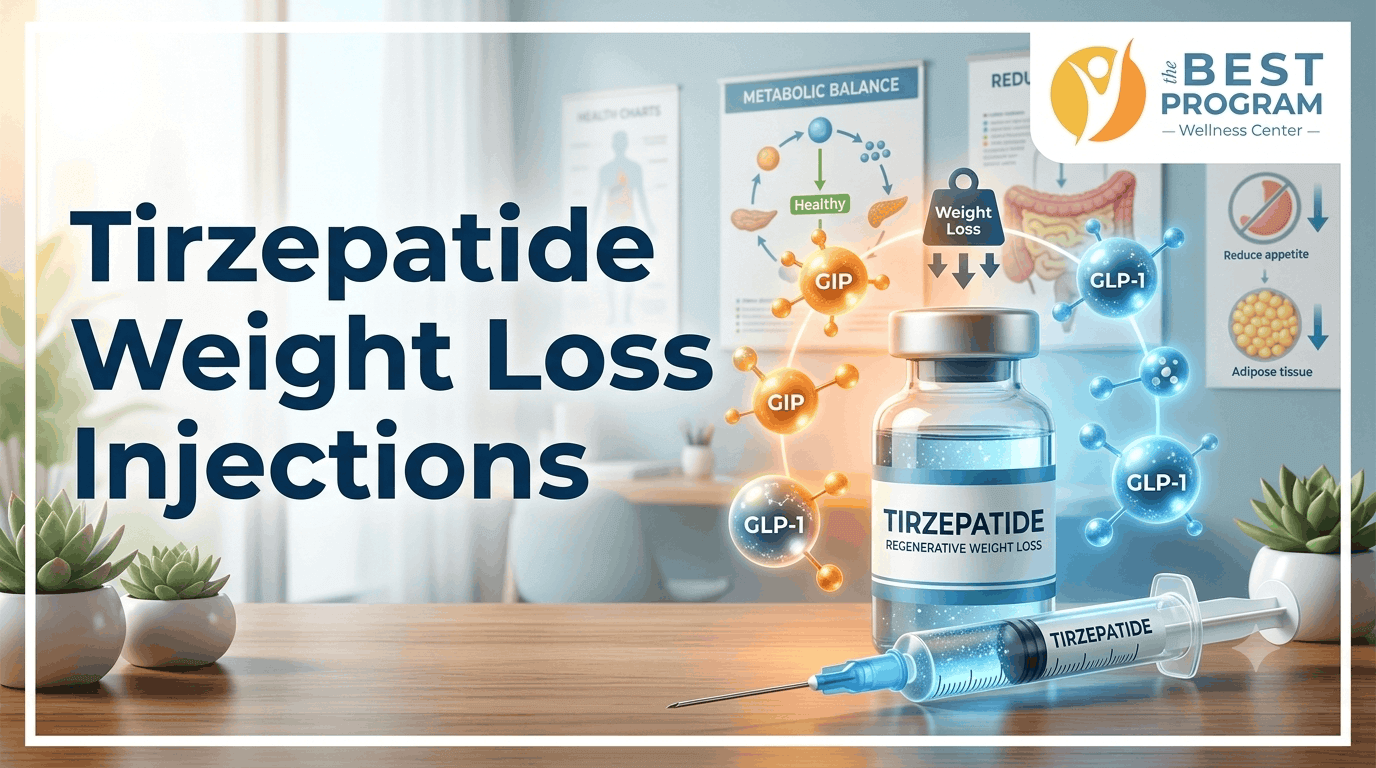
Peptide Therapy
What it addresses: Body composition, recovery, sleep, and various targeted goals depending on the specific peptide.
Evidence level: Investigational for most applications. Tesamorelin has the strongest data, for visceral fat in a specific population.
Honest assessment:
- Human trial evidence is limited for most peptides
- Regulatory restrictions have affected availability of several
- Products sold online without prescription are unsafe and not legal for human use
- Results depend heavily on training, protein intake, and sleep
Reasonable use: With a physician, baseline labs, defined goals, and a review point to decide whether to continue.
Cost consideration: Moderate to high and ongoing.
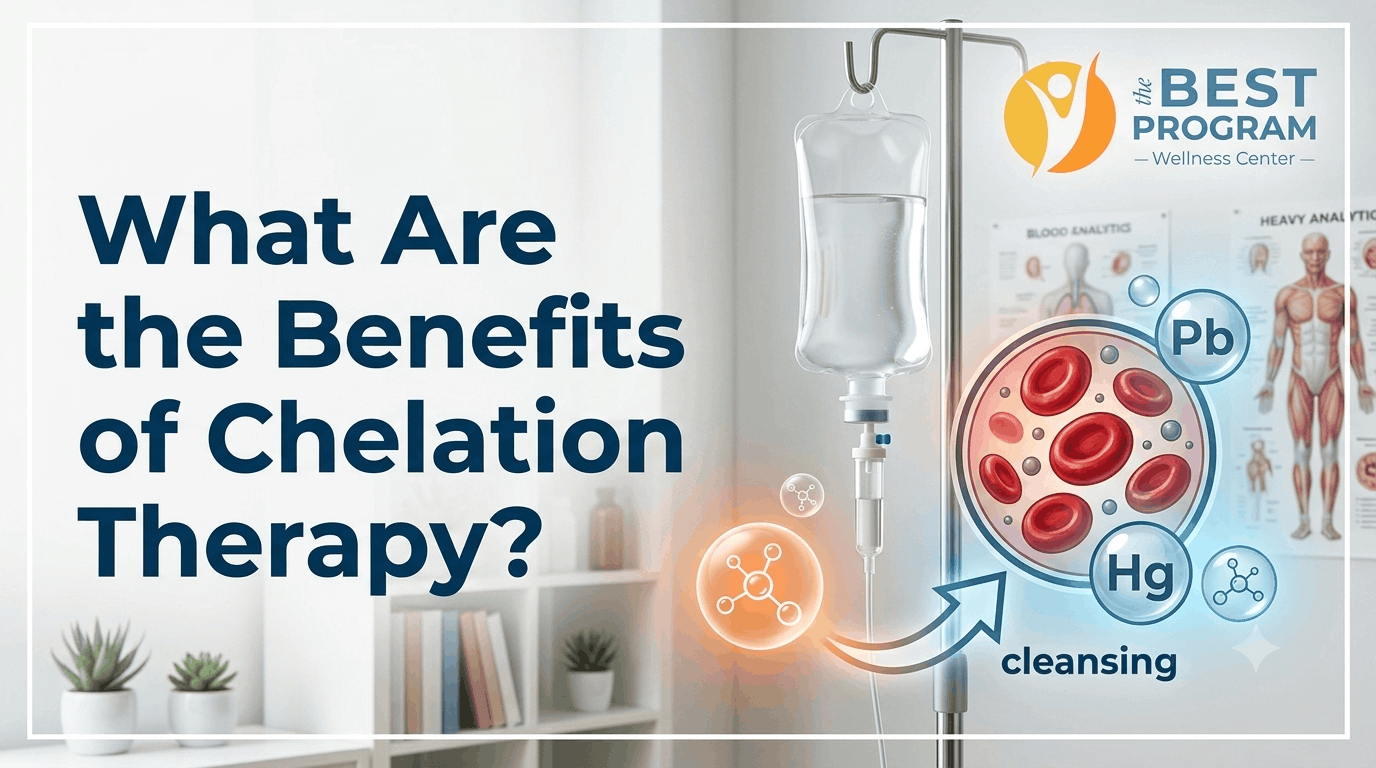
IV and Nutrient Therapy
What it addresses: Nutrient deficiencies, hydration, and various wellness claims.
Evidence level: Good for correcting documented deficiency and for malabsorption conditions. Weak for routine wellness infusions in people with normal levels.
The key question: Do you have a documented deficiency, and is your absorption impaired?
- Yes to both: IV therapy has a genuine rationale
- Deficiency but normal absorption: Oral supplementation usually works and costs far less
- No deficiency: There is little reason to expect benefit
Cost consideration: Ranges from low, for oral supplements, to high, for repeated infusion protocols.
Regenerative Treatments
What it addresses: Hair loss, skin quality, joint discomfort, and tissue repair.
Evidence level: Varies substantially by treatment.
- PRP: The best-supported option in this category, particularly for hair and some joint applications
- Exosomes: Investigational, with no FDA-approved products and documented safety concerns around unregulated sources
- Other regenerative products: Generally investigational
Reasonable approach: PRP for appropriate indications after ruling out treatable causes. Approach newer regenerative products with careful sourcing questions.
Cost consideration: Moderate to high, usually requiring maintenance.
Aesthetic Treatments
What it addresses: Appearance rather than health, which is a legitimate goal in itself.
Evidence level: Good for many established treatments, since outcomes are visible and measurable.
Well-established options:
- Neuromodulators for dynamic lines
- Hyaluronic acid fillers for volume
- Microneedling for texture and scarring
- Various energy-based and resurfacing treatments
The single most effective anti-aging step for skin: daily sun protection. It outperforms every treatment listed above for preventing visible aging, and it costs very little.
Cost consideration: Ongoing, since most treatments are temporary.
Testing Worth Doing
A sensible baseline panel before spending on treatments.
- Complete blood count
- Comprehensive metabolic panel
- Lipid panel, with advanced markers where indicated
- Hemoglobin A1C and fasting insulin
- Thyroid panel
- Vitamin D and B12
- Ferritin and iron studies
- hs-CRP
- Hormone panel appropriate to your sex and age
- Blood pressure
- Sleep apnea screening where symptoms suggest it
- Age-appropriate cancer screening
On biological age tests: Various commercial tests claim to measure biological age. The science is developing and interesting, but results should not drive major treatment decisions yet. Standard markers are more actionable.
Building a Sensible Plan
A practical order of operations.
Step 1: Establish the foundation. Sleep, exercise, nutrition, alcohol, smoking. Non-negotiable, and free.
Step 2: Get comprehensive testing. Identify actual problems rather than assuming.
Step 3: Address what testing found. Treat deficiencies, manage blood pressure and blood sugar, evaluate sleep apnea.
Step 4: Consider hormone evaluation if symptoms persist and testing supports it.
Step 5: Add optional treatments with clear goals and defined review points.
Step 6: Reassess regularly. Retest, evaluate whether treatments are working, and stop what is not.
A useful discipline: Before adding any treatment, ask what specific measurable thing it is meant to change and how you will know whether it worked. If neither has a clear answer, that is worth pausing on.
Conclusion
The most effective anti aging treatments are unglamorous: sleep, exercise, blood pressure control, not smoking, and preventive screening. Nothing on any clinic menu outperforms them.
Beyond that foundation, hormone therapy for diagnosed deficiency and correction of documented nutrient gaps have reasonable support. Most peptides, exosomes, and infusion protocols remain investigational. Spend accordingly, test before treating, and work with a physician willing to tell you when something is not worth your money.
FAQs
What is the most effective anti-aging treatment?
Not smoking, regular exercise, adequate sleep, and blood pressure control have far stronger evidence than any clinic treatment.
Do anti-aging treatments extend lifespan?
No treatment currently offered has been demonstrated to extend human lifespan. Most target symptoms, appearance, or quality of life.
At what age should I start?
Foundation habits matter at every age. Comprehensive testing becomes more useful from the late thirties onward, or earlier if symptoms appear.
Are biological age tests worth doing?
The science is interesting but developing. Standard markers like blood pressure, A1C, and lipids are more actionable currently.
Is hormone therapy anti-aging?
It treats symptoms of diagnosed deficiency. It has not been shown to slow aging or extend lifespan.
How much should I expect to spend?
This varies enormously. Start with testing, address what it finds, and add optional treatments only with clear goals.
Does insurance cover any of this?
Preventive screening and much laboratory testing are often covered. Most wellness treatments are not.
How do I avoid wasting money?
Test before treating, define what each treatment should change, set review points, and stop what is not working.
A thorough baseline evaluation tells you where your health actually stands and which treatments would genuinely help. That is a better starting point than a menu.
Call 954-627-9118 or schedule a consultation with Don D. Fisher, D.O.
Related reading: Anti-Aging Services | Micronutrient Testing