Two regenerative treatments dominate hair loss clinics right now. Both involve injections into the scalp. Both promise thicker hair. Neither is a transplant.
Understanding how they differ helps you spend your money wisely. This guide compares them on mechanism, evidence, cost, results, and safety.
Table of Contents
- Why These Treatments Exist
- How PRP Works
- How Exosome Treatment Works
- Direct Comparison
- What the Evidence Shows
- Who Is a Good Candidate
- What to Expect at Your Appointment
- Realistic Timelines
- Combining Treatments
- Conclusion
- FAQs
Why These Treatments Exist
Hair follicles do not simply die overnight in most hair loss. They shrink. This process is called miniaturization.
A miniaturized follicle produces thinner, shorter, weaker hair over time. Eventually it may stop producing visible hair entirely.
Regenerative treatments aim to interrupt that shrinking process. They target follicles that still exist but are underperforming. This is why timing matters so much. Treatment works better on thinning areas than on fully bald ones.
How PRP Works
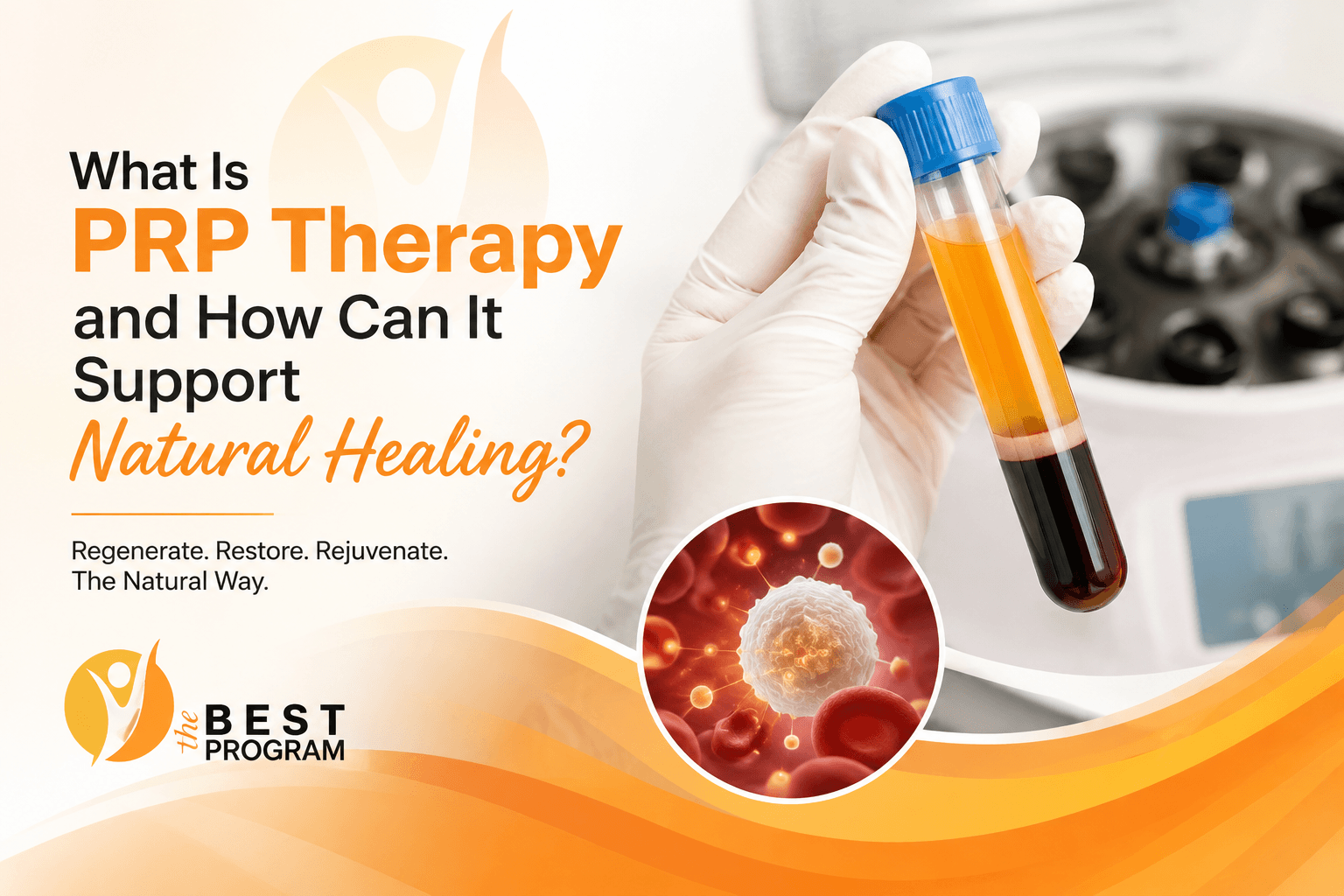
PRP stands for platelet-rich plasma. It comes from your own blood.
The process:
- A staff member draws blood, usually 15 to 60 milliliters
- The sample spins in a centrifuge to separate its components
- The platelet-rich layer is collected
- That concentrate is injected across thinning areas of the scalp
Platelets carry growth factors. These signaling proteins take part in tissue repair. Concentrating them at the follicle is meant to improve blood supply and stimulate activity in resting follicles.
Because it uses your own blood, allergic reaction risk is essentially zero.
How Exosome Treatment Works
Exosomes are tiny vesicles that cells release to communicate with each other. They carry proteins, lipids, and genetic messengers.
In hair treatment, exosome products typically come from laboratory-grown cells rather than from your body. The provider injects or applies the product to the scalp, often alongside microneedling.
An important regulatory point: The FDA has issued warnings about unapproved exosome products marketed for regenerative uses. There are currently no FDA-approved exosome products for hair restoration in the United States. Any clinic offering this should explain that clearly.
Direct Comparison
| Factor | PRP | Exosomes |
|---|---|---|
| Source | Your own blood | Laboratory-derived cells |
| Blood draw needed | Yes | No |
| Preparation time | 20 to 30 minutes in office | Ready to use |
| Allergy risk | Essentially none | Low but not zero |
| Research volume | Substantial and growing | Early stage |
| FDA status for hair | Not approved; uses cleared devices | No approved products |
| Typical cost per session | Lower | Higher |
| Typical sessions | 3 to 4 initial, then maintenance | Often fewer |
| Consistency | Varies with your own blood quality | More standardized product |
What the Evidence Shows
PRP: Multiple studies and several reviews report improvements in hair density and thickness for androgenetic alopecia. Results vary between studies because preparation methods differ widely. Still, this is the better-studied of the two options by a clear margin.
Exosomes: Early laboratory work and small studies look interesting. However, large, high-quality human trials for hair restoration are lacking. The field is genuinely promising and genuinely unproven at the same time.
What this means practically: If you want the option with more supporting evidence today, PRP is the stronger choice. If you are drawn to exosomes, go in understanding that you are choosing a newer treatment with a thinner evidence base and a higher price.
Who Is a Good Candidate
Better candidates share these traits:
- Hair is thinning, not completely gone
- Hair loss started relatively recently
- Follicles remain visible in the affected area
- The cause is androgenetic alopecia or similar patterned loss
- Realistic expectations about improvement, not reversal
Poor candidates include people who:
- Have completely smooth, shiny bald areas
- Have active scalp infection or inflammation
- Have certain blood or platelet disorders, for PRP specifically
- Have untreated thyroid or nutrient issues driving the hair loss
- Expect a transplant-level result
Do this first: Get bloodwork. Thyroid problems, iron deficiency, and hormone imbalances cause hair loss and respond to much simpler treatment. Injecting a scalp without checking these is putting the cart before the horse.
What to Expect at Your Appointment
The visit follows a similar pattern for both treatments.
- Consultation and scalp evaluation, sometimes with photos for tracking
- Numbing cream applied to the scalp, usually 20 to 30 minutes
- Preparation of PRP by centrifuge, or the exosome product
- Injections across the treatment area, typically 15 to 30 minutes
- Aftercare instructions
Afterward:
- Mild soreness or tenderness for a day or two
- Some redness or small bumps that settle quickly
- Avoid washing hair for the rest of the day
- Skip heavy exercise for about 24 hours
- Return to work the same day in most cases
Realistic Timelines
Hair grows slowly. Patience is required.
Weeks 1 to 4: Nothing visible. Some people notice slightly reduced shedding.
Months 2 to 3: Shedding often slows. New growth may begin but is usually too fine to see.
Months 3 to 6: This is when visible changes typically appear. Density and thickness improve gradually.
Months 6 to 12: Peak results from an initial series. Maintenance sessions usually begin here.
Ongoing: Both treatments require maintenance. Stopping generally means gradual return to your previous pattern.
Combining Treatments
Many providers combine approaches, and this often makes sense.
Common combinations:
- PRP with microneedling, which may improve product delivery
- PRP plus minoxidil, addressing different mechanisms
- PRP plus finasteride for men, when appropriate
- Nutrient correction alongside any injection-based treatment
The strongest hair programs treat the underlying cause and support the follicle at the same time. A clinic that only sells injections without checking your labs is treating a symptom.
Conclusion
When comparing PRP vs exosomes for hair restoration, PRP currently holds the advantage in research support, cost, and safety profile, largely because it uses your own blood. Exosome therapy is newer, more expensive, and less studied, though the underlying science interests many researchers.
Whichever you choose, start with bloodwork, set realistic expectations, and commit to the full series plus maintenance. Hair restoration rewards consistency more than novelty.
FAQs
How many PRP sessions do I need for hair?
Most protocols start with three to four sessions spaced four to six weeks apart, followed by maintenance every four to six months.
Is exosome therapy FDA approved for hair loss?
No. The FDA has not approved exosome products for hair restoration and has warned about unapproved regenerative products. Ask your provider to explain this directly.
Does PRP hurt?
Numbing cream makes the procedure tolerable for most people. You will feel pressure and some stinging during injections.
Will hair regrow on a completely bald area?
Usually not. These treatments work on follicles that still exist but are weakened. Fully bald areas typically need a transplant.
Can women get these treatments?
Yes. Both are used for female pattern hair thinning. Women should have thyroid, iron, and hormone levels checked first.
What happens if I stop treatment?
Results gradually fade. Maintenance sessions preserve the improvement you achieved.
Which is more expensive?
Exosome treatment generally costs more per session than PRP. Total program cost depends on how many sessions each requires.
Can I do both?
Some clinics offer combined protocols. Evidence for the combination specifically is limited, so ask about the reasoning and the added cost.
Call to Action
Hair loss has many causes, and the right treatment depends on which one applies to you. A proper evaluation includes bloodwork and a scalp exam, not just a price list.
Call 954-627-9118 or book a hair restoration consultation.
Related reading: PRP for Hair Restoration | Exosomes for Hair Restoration | Hair Restoration Treatments