Exosome therapy has spread quickly through aesthetic and regenerative clinics. The underlying science genuinely interests researchers. The clinical marketing has moved considerably faster than the evidence.
This guide explains the biology in plain terms, what studies actually show, and the regulatory warnings you should know before considering treatment.
Table of Contents
- The Basic Biology
- How Cells Use Them
- Where Treatment Products Come From
- Common Clinical Uses
- What the Research Actually Shows
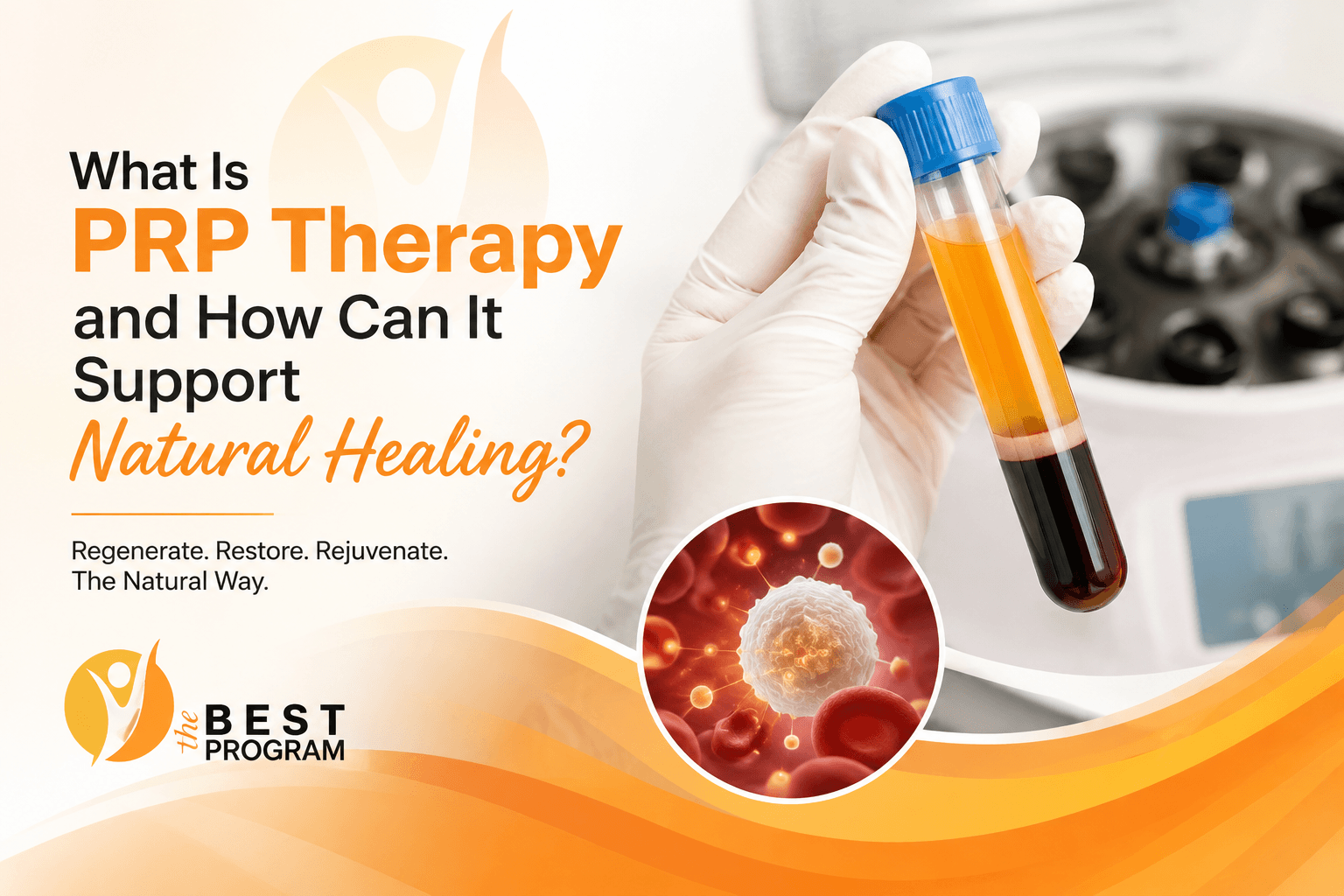
- Exosomes Compared to PRP
- Questions to Ask Before Treatment
- Conclusion
- FAQs
The Basic Biology
To understand what are exosomes, start with how cells communicate.
Cells release tiny membrane-bound packages into their surroundings. These packages, generally between 30 and 150 nanometers across, carry cargo from the parent cell.
What that cargo includes:
- Proteins
- Lipids
- Messenger RNA
- MicroRNA
- Various signaling molecules
Scientists classify them within a broader group called extracellular vesicles. Researchers initially thought they were cellular waste disposal. Later work showed they carry targeted messages between cells.
How Cells Use Them
Think of them as biological mail. One cell packages a message and sends it to another, which takes it in and responds.
Processes they appear to influence:
- Tissue repair and regeneration
- Immune signaling
- Inflammation regulation
- Cell growth and differentiation
- Communication between distant tissues
Why researchers find them interesting: They may deliver some of the benefits associated with stem cells without transplanting living cells. That is the central hypothesis behind therapeutic interest.
Whether that hypothesis translates into reliable clinical benefit is a separate question, and it is not settled.
Where Treatment Products Come From
Products used in clinics are typically laboratory-derived rather than taken from your own body.
Common sources:
- Mesenchymal stem cells grown in culture
- Umbilical cord tissue or placental tissue
- Adipose-derived cells
- Bone marrow-derived cells
Why this matters: Unlike PRP, which comes from your own blood, these are products from another source. That introduces questions about processing, sterility, screening, and consistency that do not apply to autologous treatments.
Critical question for any clinic: Where does this product come from, who manufactures it, and what testing has it undergone? A clinic that cannot answer specifically is not one to trust with an injection.
Common Clinical Uses
Clinics market these treatments for several purposes.
- Hair restoration, often combined with microneedling
- Facial rejuvenation, applied topically after microneedling or injected
- Joint and orthopedic applications
- Wound healing
- Intravenous infusion for systemic claims
A note on IV administration: Systemic infusion claims are the least supported application. Injecting a biological product intravenously carries different and greater risks than topical or localized use. Be especially cautious here.
What the Research Actually Shows
This section deserves your full attention.
What exists:
- Substantial laboratory research on the biology
- Animal studies with encouraging results in several areas
- Small human studies and case series
- Growing interest across multiple medical fields
What does not exist:
- Large, well-controlled human trials for aesthetic or hair applications
- Standardized products, so results from one product may not apply to another
- Long-term safety data in humans
- Established dosing standards
Additional complications:
- Products vary enormously between manufacturers
- There is no standardized way to characterize potency
- Some marketed products may contain far less active material than claimed
- Storage and handling significantly affect viability
The honest summary: This is a genuinely promising research area and a genuinely unproven clinical treatment. Both statements are true at once.
Exosomes Compared to PRP
For most patients considering regenerative options, this is the practical comparison.
| Factor | Exosomes | PRP |
|---|---|---|
| Source | Laboratory-derived from donor cells | Your own blood |
| FDA status | No approved products | Uses cleared devices; procedure not FDA-approved |
| Sterility risk | Depends entirely on manufacturer | Minimal, autologous |
| Research volume | Early stage | Substantially larger |
| Cost | Generally higher | Generally lower |
| Blood draw required | No | Yes |
| Product consistency | Varies by manufacturer | Varies with your own blood |
For most people considering hair or facial treatment, PRP currently offers a better balance of evidence, safety, and cost. That may change as research develops, but it reflects where things stand now.
Questions to Ask Before Treatment
If you are considering this, these are not optional.
- What specific product do you use, and who manufactures it?
- Where is it sourced from, and how is it processed?
- What testing does the manufacturer perform for sterility and potency?
- Is this FDA-approved? (The answer should be no. Note how they respond.)
- What evidence supports this for my specific concern?
- How do you store and handle it?
- What are the risks, including infection?
- Why would you recommend this over PRP for me?
- What is the total cost?
- What happens if I have an adverse reaction?
Walk away if a clinic: claims FDA approval, cannot name the manufacturer, promises specific guaranteed results, or dismisses your questions about sourcing.
Conclusion
Exosomes are real biological structures with a genuine role in cell communication, and the research interest in them is well founded. But clinical products are not FDA-approved, vary widely in quality, and lack large human trials for the uses clinics advertise.
If you are considering treatment, ask detailed sourcing questions and compare honestly against better-established options like PRP. Interest from researchers is not the same as proof of benefit for patients.
FAQs
Are exosome treatments FDA approved?
No. There are no FDA-approved exosome products for aesthetic or regenerative use in the United States.
Are exosomes the same as stem cells?
No. They are packages released by cells rather than living cells themselves. Some products are derived from stem cell cultures.
Do exosome treatments work for hair loss?
Early research is encouraging, but large controlled human trials are lacking. PRP has more supporting evidence for hair currently.
Are they safe?
The FDA has warned about unapproved products, and serious adverse events including infections have been reported. Sourcing and manufacturer quality are the main variables.
How much do treatments cost?
Generally more than PRP. Costs vary widely. Ask for total program pricing in writing.
Can exosomes come from my own body?
Products used in clinics are typically derived from donor cell lines rather than from the patient. Ask specifically about the source.
Is IV exosome therapy safe?
Systemic infusion is the least evidence-supported application and carries greater risk than localized use. Be especially cautious.
Should I choose exosomes or PRP?
For most hair and facial applications currently, PRP offers a better balance of evidence, safety, and cost.
Regenerative options vary widely in how well they are supported. A consultation that compares them honestly helps you spend your money where it will do the most.
Call 954-627-9118 or schedule a consultation with Don D. Fisher, D.O.
Related reading: Exosome IV Therapy | Exosomes for Hair Restoration | PRP vs Exosomes for Hair